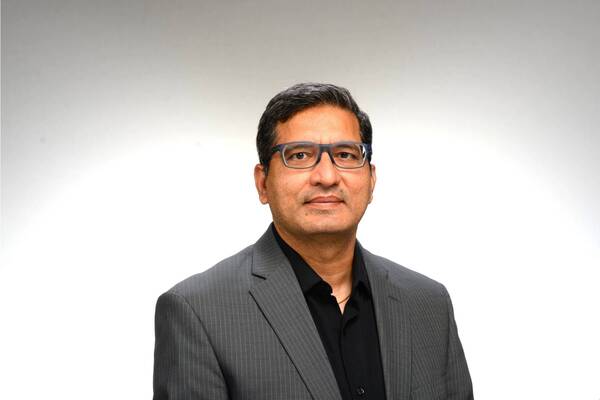
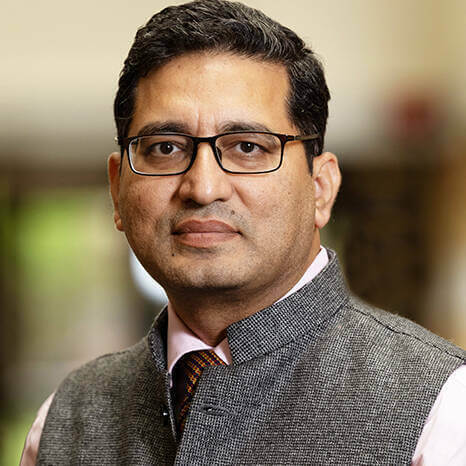
tag:biglab.nd.edu,2005:/news-events/newstag:biglab.nd.edu,2005:/latestBIG Lab | News2026-10-21T16:05:00-04:00The Building Inclusive Growth (BIG) Lab seeks to address structural & barriers to equitable economic growth in different parts of the world.tag:biglab.nd.edu,2005:News/1864272026-10-21T16:05:00-04:002026-10-21T16:04:23-04:00Meet some of the Poverty Research Fellows supporting BIG Lab Faculty Research
Building Inclusiver Growth (BIG) Lab Affiliate Faculty Rebecca Thornton, Lakshmi Iyer, Brenda Samaniego de la Parra, and Jeremy Majerovitz all worked with several Poverty Research Fellows this summer, partnering with the Poverty Initiative on their innovative work on poverty alleviation. Poverty Research Fellows receive full-time, funded summer internships that provide hands-on experience conducting rigorous analysis alongside BIG Lab experts. Funding from the Poverty Initiative supports faculty research into resource-poor issues, allowing them to think bigger, design informed interventions, and test solutions to the deep-rooted causes of poverty.
Check out some of this year's Poverty Research Fellows:
]]>
Margaret Pebworthtag:biglab.nd.edu,2005:News/1846772026-08-18T11:00:00-04:002026-08-19T12:02:58-04:00BIG Faculty Spotlight: Enrique Seira Bejarano on Corruption, Democratic Backsliding, and Building Trust with Project PartnersEnrique Seira Bejarano is the Joe and Deborah Loughrey Professor of Economics and affiliated faculty at the Building Inclusive Growth (BIG) Lab.
How did you get interested in development economics and research?
Enrique Seira Bejarano: I was born in a developing country, in Chihuahua, Mexico, next to the border with the US. When I was a kid, we often traveled to El Paso. I was very impressed with the differences I saw just crossing the border. I was amazed by the freeways and by how my parents themselves behaved differently, respecting the traffic signals more. Everybody seemed to behave more orderly, and things seemed to work. I guess that's one of the deep sources of my interest.
I was also very interested in how to make things work better. Not just to describe what's wrong, but to fix it. So, when I was in college, I believed the best career would involve not just research but policymaking.
In your paper Apex Corruption Erodes Democratic Values, you look at corruption, both across events and with a field experiment. Could you tell us about the project?
Starting more broadly, I typically work in three areas. One is household finance, which is how households save, borrow, and do transactions in credit markets to suit their needs, and what market failures are involved in those markets in developing countries. And then, secondly, more recently, in the past ~8-9 years, I've been more and more interested in how courts and the judicial system work, and more recently on democracy and political economy. My shift toward this research came as development economics increasingly centered on institutions, mirroring the Nobel Prize-winning work of Acemoglu, Johnson, and Robinson. I wanted to get more concrete. What do we mean by institutions? What case in particular? So I started thinking of courts. Courts are institutions, and very, very important ones. Courts work poorly in medium-income countries, likely decreasing investment, opportunities, and increasing violence and mistrust. How do courts work, or fail to work, and why? How can we fix that?
More recently, I've been concerned about democratic backsliding in many developed and developing countries. I wanted to understand two things. What is causing the democratic backsliding? And what to do about it? There's a lot of debate on what is causing it, and I would say we don't know exactly. We don't have rigorous studies of what's causing that. The most typical explanations are (a) that polarization is increasing—driven by social media—and that it's harder for democracy to work in polarized environments. Another explanation is about a withdrawal of the welfare state and austerity policies. If the state doesn't do its part, then citizens don’t feel they owe some loyalty to it. It's less legitimate. A third one is gridlock in Congress and ineffectiveness in policymaking.
I was concerned with a fourth alternative, which is that apex corruption —the use of public office for private gain by high-level government officials— was eroding citizens' trust in democratic institutions. Testing this idea, going beyond correlations, is not easy. One would need to exogenously manipulate the perception of apex corruption and observe if that makes people behave differently: turnout to vote less, believe in democracy less, and display lower levels of civic behaviors. We tested this two ways. Firstly, we looked at corruption scandals in 17 countries in Latin America, in all of Latin America basically, and compared people who were interviewed about their opinions on democracy a few days before a scandal happens versus a few days after. These people are basically the same as when exactly they are surveyed in a survey round and is almost as good as random. We find that people interviewed just after corruption scandals are less satisfied with democracy and say they're less willing to vote in the next election, and are more open to a strongman or the army leading the country.
We tested this result using a randomized controlled trial in Mexico. The study exposed people to real footage of high-level politicians taking bribes (counting stacks of cash). We then observed if they actually, using administrative data, voted less or not. We found that indeed exposure to corruption scandals caused less support for the democratic institution, less voting, less donation to organized elections, and many other negative consequences, including entrusting your neighbor with money in real stakes lab-in-the-field games. I am still doing research in that domain. It's also very important for the U.S. also, as perceptions of government corruption in the US are now as high as those in Latin America. This is very concerning as we have shown that it is corrosive for trust in institutions and in fellow citizens.
How was it working on this project and some of the challenges of running the field experiment within the project/research?
I have many funny stories about this project. It was challenging for many reasons. One, just the scale. We knocked on almost 4,000 doors as we went to people's houses to do this exercise, where we had tablets to show them the corruption scandal videos. But also, for example, as part of the experiment, there was a game where people could steal without researchers noticing. The way we did this is, we gave them 30 coins. Imagine a $1 coin, and we give you 30 of those, and we say, “Go to your room where nobody else can see you. Here's an envelope and a bag with 30 coins. This is a very simple game: you throw the coin, you try to guess tails or heads. If you guess right, you just pocket the coin; it's yours. But if you guess wrong, you put it in this envelope, which is going to be given to the city mayor to support public projects.” So, what's nice about that game is that someone can be lucky. So, for any single person, I don't know if you actually are stealing, but on average I know. It turns out that people steal more themselves if they see politicians stealing.
Because we have thousands of people, just the weight of the coins was close to like half a ton. When I went to the bank, and I told them I needed this, they told me, first of all, that was crazy. Second, they told me to pick it up at the bank branch in several cars, but in the end, the bank brought it to the university in an armored car. There were many challenges in this project; it was also implemented during COVID. It all worked in the end, and the effort paid off, thanks to the help of many people helping us, including research assistants and co-authors.
On your projects, you work with multiple partners. What in your experience has helped in forming effective working partnerships across stakeholders like governments, local implementing partners, or other organizations?
It's very important to understand what partners are interested in, what problems they are facing, and how we can help. When I start a conversation with partners, I always start by asking what they need and what their concerns and questions are. And then try to see if there is academic value in answering some of their questions. The other thing to understand is that there is risk in implementing projects. Good research is hard, and many things can go wrong. It's like starting a small firm. Most firms fail, and empirical research is similar. Having an interested and highly cooperative partner is critical. A third problem is that partners, especially governments, often have very short time horizons; they want responses within weeks or months. And research usually takes years. Governments are not always willing to wait. So, how do you have short-term results for the government that are useful for them and the partner without sacrificing the quality of the academic research? That's another challenge that is hard to overcome, but it can be done.
The last thing that I would like to say is that coauthors and team members are critical. For example, in our series of papers on Mexican labor courts my co-author, Joyce Sadka, was essential. She works many hours with the court leadership, helps them understand and tackle problems, and in this way she builds a lot of trust with the partner, which allows us to propose and rigorously test potential solutions. This is a win-win: we make sure the solution actually works, which is good for them, while we contribute to knowledge more generally. Some of the policy implementations we have undertaken have actually been codified through law in Mexico. But that's in a large part not only because of the quality of the research, but also largely because we manage to gain their trust and help them solve practical problems. That is very important for the partners, and it requires significant effort from researchers.
What research, be it new areas or new projects, are you looking forward to? Any new projects in the plans?
So I would like to do research on what to do about democratic backsliding and how to combat it. To what extent can pro-sociality and civic-mindedness be taught? There is the old American quote, “It may be an easy thing to make a Republic; but it is a harder thing to make Republicans,” in the sense of citizens. Citizens are made, they're not born. But we couldn't find a single well-identified study that showed whether civic education courses actually make people vote more, to be more informed of current events. So we're trying to do that in Mexico and hopefully in the U.S. too. That's one policy to strengthen democracy we want to study.
In courts, we want to study why trials take so long and why settlements are so limited in developing countries. We are currently testing to what extent we can use AI to give legal advice for simple cases. In many countries, lawyers are of poor quality and fuel conflict instead of helping to solve it. Mexico has almost 20 times more law schools than the US and no Bar exam!
Finally, I am interested in religion as a generator of civic solidarity and the role that culture plays in development. Talk about culture among economists was a sign of lazy thinking 30 years ago. Now we have better ways to measure culture and the influence and power of ideas. I believe research can help us understand who we are and improve lives.
This interview has been edited for length and clarity. It was conducted as part of a series of faculty profiles on BIG Lab Affiliated Faculty. Stay up to date with the BIG Lab by following us on Twitter, LinkedIn, or Bluesky.
]]>
Margaret Pebworthtag:biglab.nd.edu,2005:News/1845592026-08-18T10:57:00-04:002026-09-16T10:59:17-04:00Research, mentorship, and the road to a PhD: BIG Lab predoctoral fellows reflect on their next chapter
BIG Lab Celebrates Graduating Predoctoral Fellows
The BIG Lab is proud to congratulate predoctoral fellows Zeina Shalaby and Amadou Jawo as they begin the next stage of their academic careers. This fall, Zeina will pursue a PhD in Economics at University College London, while Amadou will join the University of Houston. During their time at the BIG Lab, both contributed to research projects across a range of development economics topics while building the technical, analytical, and collaborative skills that will support them throughout their careers.
After completing her research assistantship at the BIG Lab, Zeina Shalaby will begin her doctoral studies at University College London. In choosing a PhD program, she sought advice from faculty across the BIG Lab, ultimately selecting UCL for its strong economics department and vibrant development economics community.
Reflecting on her experience at the BIG Lab, Zeina credits the Lab with shaping the way she approaches research.
"The BIG Lab taught me the importance of building research
incrementally," she said. "Starting with simple models, running sanity checks along the way, and developing strong systems for organizing and documenting research are lessons I'll carry with me throughout my PhD."
Working on projects involving geospatial analysis also sparked her interest in agricultural economics and the use of satellite data to answer development questions in data-scarce settings. At UCL, she looks forward to strengthening her theoretical foundations while continuing to explore research on agricultural development, labor markets, education, and inequality.
Amadou Jawo will begin a PhD in Economics at the University of Houston, where he plans to pursue research in development economics with interests in early childhood health, education policy, labor markets, migration, political economy, and the measurement of economic outcomes. He hopes to use policy changes and natural experiments to generate evidence that informs policymaking in low- and middle-income countries.
Reflecting on his time at the BIG Lab, Amadou said the experience showed him that producing high-quality research extends well beyond running regressions.
"I've learned the importance of careful data construction, documentation, replication, teamwork, and attention to detail," he said. "Most importantly, I've learned that good research requires curiosity, patience, and a willingness to keep learning."
He is looking forward to growing as an independent researcher, learning from faculty and fellow students, and continuing to produce rigorous, policy-relevant research while maintaining the collaborations and relationships he built at the BIG Lab.
We thank Zeina and Amadou for their many contributions to the BIG Lab and wish them every success as they begin this exciting next chapter.
]]>
Margaret Pebworthtag:biglab.nd.edu,2005:News/1848892026-08-18T10:52:00-04:002026-08-18T10:52:37-04:00BIG Lab expert on democracy: Can better civics education restore voter dissatisfaction over political corruption?
This summer, America celebrated the 250th anniversary of the signing of the Declaration of Independence, widely recognized as the formal founding of our nation and one of the early stages of establishing a democratic government.
Over the past two decades, in particular, democracies all over the world have struggled with a lack of clear support. Democracy scholars have referred to these challenges as evidence of backsliding, where political institutions slowly erode from within by backing away from democratic rules and norms and abandoning pro-democratic behavior. This phenomenon has many political and social scientists concerned.
One indicator of a democracy’s health is how satisfied a country’s citizens are with their system of government, and how committed they are to making it successful. And, depending on how happy citizens feel about it, they will behave accordingly — either by participating in democratic processes and living out democratic ideals, or not.
On that point, a study recently published in the Proceedings of the National Academy of Sciences found that dissatisfaction with democracy resulted in lower support for democratic behaviors in Mexico, according to development economist and co-author Enrique Seira Bejarano of the University of Notre Dame. Seira, the Joe and Deborah Loughrey Professor of Economics, studies how economic issues can be caused by malfunctioning political institutions, and how democracy benefits and spurs economic growth in a country.
Surveying more than 50,000 Mexican citizens across 6,300 electoral precincts during Mexico’s 2017 state elections, Seira and his research team found that low levels of satisfaction led to a reluctance to participate in these separate democratic activities: attending poll worker training (a requirement for citizens during elections), staffing a polling station on Election Day, and voting in the presidential elections a year later.
“We find that dissatisfaction with democracy predicts lower democratic engagement across all three behaviors,” Seira and his co-authors wrote. Rather than relying on self-reported behaviors or country-level comparisons, the researchers studied the link between satisfaction with democracy and democratic behaviors at the individual level, merging administrative measures and analysis to create original data.
The research indicated that the more dissatisfied the citizens were, the less they engaged. Those who report the lowest level of satisfaction (in other words, surveyed as “not at all satisfied”) were 4.6 percent less likely to attend the poll worker training, nearly 12 percent less likely to staff their polling station, and 2 percent less likely to turn out to vote.
Based on data from the Integrated Values Surveys, Mexico ranks 54 out of 75 democratic countries in average levels of dissatisfaction with democracy, according to the study. This suggests that there are numerous other countries struggling with the same challenges — if not more so — than Mexico.
“Both globally and in Latin America, citizens’ satisfaction with democracy has decreased by 10 to 15 percentage points since 2010,” the researchers wrote.
Relatedly, in the United States, the share of citizens who think it is essential to live in a democracy is 71 percent for those born in the 1930s versus 29 percent for those born in the 1980s, noted Seira and his co-authors.
“Support for democracy as measured in surveys — which has been on a more than a decade-long decline — is worrisome, since it is associated with a decline in civic behaviors,” Seira said.
How corruption erodes trust, diminishes support
But what causes citizens to lose favor with their system of government and way of life?
Enrique Seira Bejarano is the Joe and Deborah Loughrey Professor of Economics and a faculty fellow in the Kellogg Institute for International Studies, part of Notre Dame's Keough School of Global Affairs.
According to Seira, who is also a faculty fellow at Notre Dame’s Kellogg Institute for International Studies, part of the Keough School of Global Affairs, there are several potential reasons. One is that American voters and those in other latitudes are growing impatient with the gridlock in Congress and how the government struggles to accomplish goals and objectives. Another possibility is that the welfare state has been retreating in the world since the financial crisis of 2008, and citizens place blame on their democratic governments for causing some of that downfall. A third possibility is the influence of social media causing polarization in societies, both in the U.S. and abroad, making it harder for democracies to function.
Yet another possibility — and one that has received less attention — is that citizens increasingly perceive corruption (the use of public office for private gain) as endemic. “The fraction of Americans who think the U.S. government is corrupt has been increasing and is now close to 70 percent — and, surprisingly, it is on the same level as democracies in Latin America,” Seira said.
This statistic led Seira and his co-authors to conduct a second study around democracy — this one looking at whether and how government corruption leads to further civic disengagement. Seira and fellow researchers from MIT and Stanford studied 17 Latin American countries using both a field experiment and tens of thousands of surveys collected over a decade.
In their working paper, Seira and his team found that when citizens were exposed to high-level politicians’ scandals, individual voter turnout causally decreased by 10 to 20 percentage points. In addition, contributions to support elections, and honesty and trust between individual citizens, all suffered. Furthermore, voting was affected the most when incumbents perceived to be honest were implicated in corruption cases close to election time.
“When they hear about these scandals involving high-level officials such as presidents, cabinet members, prime ministers and justices, voters are less likely to turn out to vote by 20 percentage points,” Seira said. “When a president steals, citizens don't just lose faith in that president — they lose faith in democracy itself.
“And we show it causally,” Seira explained. “Watching real footage of top politicians taking cash cut actual voter turnout by up to 27 percent and lowered support for democracy. Democracy is built on the promise of political equality, and corruption undermines that very promise.”
Citizens’ willingness to donate time to support the organizations of democracy — by volunteering to be an electoral observer, for example — decreased by 43 percent (relative to the 4.9 percent who volunteered on average). It similarly reduced their willingness to donate money in support of election activities by 16 percent (relative to 22.8 percent who donated). Even more worrisome, the researchers discovered, is that when top-level politicians participated in corrupt activities, explicit support for democracy reduced in favor of authoritarianism.
Seira said that the media plays a big role in highlighting political scandals. “The number of news stories about corruption have tripled in Spanish and doubled in English in the last 20 years, which just means that more of these events are in the public eye than they used to be.”
This visibility creates an unfortunate tradeoff, one for which a solution needs to be found, according to Seira. On the one hand, public disclosure forces accountability and denouncement of such behavior, which is needed for democracies to work. On the other, when citizens see that the system is corrupt at the highest levels, then it can be very damaging to the credibility of the system itself. The culprit may be not that corruption is disclosed, but that it goes unpunished, as is often the case in Latin America and other developing countries.
In the field experiment part of the study, Seira and his colleagues found not only that corruption undermined citizens’ trust in democratic institutions, but trust in one another also suffered, with citizens less willing to entrust neighbors with money in incentivized lab-in-the-field experiments. In addition, exposing citizens to footage of their politicians taking bribes made it seem like such behavior was acceptable, prompting individuals to steal money the researchers endowed them with.
Can better civics education help?
Providing ample and relevant civics education to the next generation may be one way to strengthen democracy while combating dissatisfaction and corruption, Seira believes. Because the effectiveness of civics courses has not been widely tested yet, Seira and his co-authors are currently conducting research through a multi-country study of the effects of civics education on democratic behaviors.
“What we want to know is how effective these courses are,” Seira said. “Do they generate more informed citizens? Does it allow them to critically assess the alternatives to democracy? Are they more willing to donate time and effort to support democracy? And to what extent can we make better citizens through education?”
Seira noted that even though the first two studies were conducted in Mexico and Latin America, respectively, and were not specifically reliant on U.S. data, parallels can be drawn between the regions and in how survey participants would have responded. The third study is ongoing and is supported by a Democracy Catalyst Grant from the University of Notre Dame’s Democracy Initiative.
Contact: Tracy DeStazio, associate director of media relations, 574-631-9958 or tdestazi@nd.edu
Originally published by Tracy DeStazio at news.nd.edu on August 11, 2026.
]]>
Tracy DeStaziotag:biglab.nd.edu,2005:News/1830862026-07-14T14:23:00-04:002026-07-14T14:51:39-04:00Santosh Gautam Shows India’s Immunization Program Reduced Child Mortality But Highlights Need For Coordinating Health, Education PoliciesA child receives a vaccine at a clinic in eastern India. Notre Dame research finds that the country’s immunization program reduced child deaths and highlights the need to coordinate health and education policies. Photo credit: DFID/UK Department for International Development.
Each year, approximately 700,000 children worldwide die from diseases that vaccines could have prevented, nearly all of them in low- and middle-income countries. New research from University of Notre Dame economist Santosh Kumar Gautam finds that India’s national childhood immunization program helped address this persistent global health challenge, producing substantial reductions in child deaths.
The study, published in the Journal of Population Economics, also found that the immunization program had mixed long-term effects on educational attainment. While exposure to the program reduced primary school completion, it increased secondary school completion, suggesting that improvements in child survival can influence education through multiple pathways. Findings underscore the importance of coordinating health and education policies so that gains in child survival are matched by investments in schools and learning.
“Vaccines are one of the most cost-effective investments a country can make in improving child health and human capital,” said Gautam, professor of development and global health economics at Notre Dame’s Keough School of Global Affairs. “I wanted to understand not only how India's immunization program saved lives, but also how it affected educational trajectories and human capital development.”
An experiment that reduced infant mortality
India launched its Universal Immunization Programme in 1985 and implemented it district by district, reaching full national coverage by 1990. Because some districts received the program years before others, and because only children under age 1 were eligible for the vaccines, Gautam was able to compare children born just before and just after the program arrived in their district.
Drawing on a national survey of nearly 900,000 children, Gautam found that the program reduced infant mortality by 0.4 percentage points and under-five mortality by 0.5 percentage points — substantial gains at a time when nearly 1 in 10 infants died before their first birthday.
Those mortality gains were concentrated among children in rural areas, from poor households and from historically disadvantaged caste groups. Children from wealthier, urban or higher-caste households saw little change, Gautam said. This may be because many already had access to vaccination before the program arrived.
Mixed educational outcomes
The study also found nuanced effects on educational attainment. While the immunization program reduced primary school completion, it increased secondary school completion among surviving children.
Gautam said the results may reflect who survived because of the program. Some children who benefited from vaccination may not have reached school age otherwise; and, as a group, they tended to have poorer underlying health. That change in the student population may have lowered average primary school completion rates.
Meanwhile, children who would have survived regardless but were healthier because of vaccination were more likely to complete secondary school. Strained school infrastructure may also have reinforced the pattern, Gautam said. A sudden increase in surviving children can crowd classrooms and stretch already limited resources, particularly in the early grades.
Designing health and education policy together
Notre Dame economist Santosh Kumar Gautam researches how investments in early child and maternal health can reduce poverty and help people thrive.
Ultimately, Gautam said, the research shows health and education investments work best when they are planned holistically rather than treated as unrelated priorities.
“This study illustrates how health and education planners can strengthen their coordination and produce better outcomes by working together,” Gautam said. “In addition to focusing on saving lives, governments should design policies that follow children into the classroom.”
The study also challenges the assumption that large public health campaigns in developing countries are inevitably undermined by weak implementation, Gautam said. Despite documented problems with medical absenteeism and service delivery in India’s health system, the program still produced a measurable reduction in child deaths.
The research contributes to Gautam’s broader work as an economist who studies how investments in early child and maternal health can reduce poverty and help people thrive. It is particularly relevant for resource-constrained settings, where smarter policy design is critical to improving outcomes amid limited funding.
“Effective immunization policy requires measuring not only who vaccines protect, but also how they shape broader human capital and support the best use of scarce public resources,” Gautam said.
The study received open access funding from the University of Notre Dame’s Hesburgh Libraries.
Media Contact: Tracy DeStazio, associate director of media relations, 574-631-9958 or tdestazi@nd.edu
Originally published by Josh Stowe at keough.nd.edu on July 14, 2026.
]]>
Josh Stowetag:biglab.nd.edu,2005:News/1820522026-05-27T15:46:00-04:002026-05-27T15:47:47-04:00BIG Faculty Spotlight: Jeremy Majerovitz on Agricultural Insurance, Misallocation, and the Macroeconomic PerspectiveJeremy Majerovitz is an Assistant Professor in the Department of Economicsics and affiliate faculty at the Building Inclusive Growth (BIG) Lab.
How did you get interested in development economics and research?
Jeremy Majerovitz: I was interested in economics and research for a long time. Bob Lucas, who was a macroeconomist and Nobel Laureate, famously said that once you start thinking about cross-country differences in output per capita and living standards, it is hard to think about anything else. And that is, I think, one of the most important economic issues. And once I started thinking about it, it was very hard to stop thinking about anything else. What's interesting as well is it's actually something where we really still don't understand very much about. Why is Kenya so much poorer than the United States? And that's why I decided to do research.
In your paper Scaling Up Agricultural Insurance, you look at risk and agricultural insurance. Could you tell us how you identified that Ghana was the place you wanted to examine that in?
Ghana in particular was the place that we decided to look at because that is where some interesting microeconomic experiments have been done. This is a topic that's important in a lot of different settings. There's a very nice paper by Dean Karlan and co-authors where they experimentally gave agricultural insurance, like rainfall insurance, to some farmers and not to others, and they looked at the effect that that had on a bunch of different outcomes, including on agricultural investment. That paper was influential because it showed that when you give farmers agricultural insurance against drought, they invest more and they switch their crops towards crops that seem to be higher return, but also higher risk. Because once they're insured, now they can make these investments that are high return, but if they didn't have the insurance, they would be a risky bet.
What we're doing is we're saying, “Okay, we have these microeconomic experiments. What does that tell us about whether this is a good policy to scale up nationally?” And that's where a lot of research in macroeconomics and development has been going, and where some of my research has been going. So, we're building a model of the Ghanaian economy on top of that experiment and saying, “Let's take these microeconomic experiments that people have run, let's build on top of that an economic model, bring in some additional data from other sources, and try to see what are the effects going to be when we scale this up?”
How was it working on this project and where were some of the challenges you ran into?
The big difficulty with these sorts of projects is figuring out “How am I going to make a tight connection between the data that I actually have and the question that I want to answer?” Something that came out of this project that was nice is that once we wrote down the model, we were able to understand what actually matters in our model and more generally in different models of agricultural risk. Part of what came out of it was understanding that what matters for the decision of whether the government should subsidize something is whether there are benefits from the thing being subsidized, beyond what the recipients will internalize. In this context, the households benefit from insurance in all sorts of ways. That doesn't necessarily mean that the government should subsidize things. In the same way that if I get a cheeseburger, I benefit (maybe there are some costs as well from eating that cheeseburger). But that doesn't mean that there should be a government subsidy, because I'm already internalizing those benefits when I make the decision of how many cheeseburgers to buy.
Here, what is unique is that when you're in a world where insurance is incomplete, there are some benefits that come through changes in prices. What we discovered in the process of building the model is that one of the key forces is that if insurance is subsidized, that's going to encourage people to make more of the risky crop. They're going to grow more maize - in this setting in Ghana, maize was the risky crop. That is going to change the relative price of maize compared to a less risky crop. Then those changes in relative prices, it turns out, provide some insurance benefit. If maize is the risky crop and mangoes are the low-risk crop (those are the two crops in this setting in Ghana) then it's good for households that maize becomes less valuable relative to mangoes, because it helps them by reallocating some of their income from the good state of the world where it rains, to the bad state of the world where there’s no rain and the maize doesn't grow.
Once we understood that, that became a more general force in all sorts of different versions of the model that you can write down. What also is nice is that it clarified, “What are the things that we want from the experiment?” On the one hand, we want to know how insurance demand responds to changes in prices. That's something that the experiment gave us directly. Another thing that we would want to know is how offering insurance affects the relative price of different agricultural goods. That's not something that's quite directly provided by the experiment, but the experiment does give us information about how crop growing patterns respond to offering households insurance. So, on the one hand, it's always difficult to know, do I have everything from a micro-experiment to really extrapolate to the effects of a policy? But I think that in this case, we were able to figure out that the experiment was giving us a lot of the right pieces of information that we needed.
More broadly, how do you see your work affecting people’s lives and policy?
Good question! Because we still understand so little about why poor countries are poor, there's a lot of basic science to be done. That basic science is going to frame what policies we should be thinking about. Of course, my hope is to also do some more directly policy relevant work. But for example, one theory of lack of development is that resources are misallocated. So, a lot of my recent work has focused on whether capital is allocated efficiently across different firms, both in developed and developing countries. If I think that we are in a world where capital is efficiently allocated across firms, then that tells me that there's very little scope for things like microfinance, subsidized credit, or other financial interventions to improve things. If I think that there is misallocation of capital and/or of credit, then that's a world where I want to explore those types of government policies. I have a paper looking at microenterprises and finding that there is a lot of misallocation of capital across microenterprises. That suggests there's at least some scope for financial interventions to improve things, but we still need to do a lot of work on different dimensions of figuring out where there's scope for interventions to matter and where there isn't.
What new areas or new projects are you looking forward to?
Something I've been working on a lot is whether capital is allocated efficiently across firms. I've been working on a paper in the US looking at whether the cost of capital is the same across firms. What we find there, using credit registry data in the US, is that the cost of capital is pretty similar for different firms that are borrowing from commercial banks. That suggests that there's relatively little misallocation of capital, at least among that segment of US firms that makes it to the point where they would borrow and get a bank loan. We want to extend that same methodology to other countries; we're in the very early stages of figuring out what countries that's feasible for. The idea would be to then say, we think of the US as this efficient benchmark. If I go to other countries, is there a lot of misallocation of capital coming through imperfections in the credit system? If so, then that is something for policymakers and others to work on, and if not, well, we shut down one channel to worry about.
Has it been interesting having done a domestic project versus now you're trying to extrapolate that internationally? That seems like quite a challenge.
Certainly, for me, it was a funny place to start, because most of my research is focused on developing countries rather than in the US, but I think that in a way it makes a lot of sense, because you have to make that comparison. Sometimes we'll notice something in developing countries and say, “this seems very inefficient,” or “this seems very unusual”. Then you always want to try to do a comparison. For example, there's a big difference in developing countries between the price that you pay for food when you buy it at the market and the price that the farmer gets. It turns out there's also the same big difference in the United States as well. So we want to do some comparisons to try to determine what is different about developing countries, as opposed to what is just a fact of life wherever you go.
This interview has been edited for length and clarity. It was conducted as part of a series of faculty profiles on BIG Lab Affiliated Faculty coming out this spring. Stay up to date with the BIG Lab by following us on Twitter, LinkedIn, or Bluesky.
]]>
Margaret Pebworthtag:biglab.nd.edu,2005:News/1819352026-05-20T14:52:00-04:002026-05-20T14:52:20-04:00BIG Lab PhD Candidate Virna Vidal-Menezes earns 2026 NAEd Spencer Dissertation Fellowship
University of Notre Dame BIG Lab doctoral candidate Virna Vidal-Menezes has received a 2026 National Academy of Education (NAEd) Spencer Dissertation Fellowship. The fellowship is awarded to early-career scholars whose projects provide innovative insight into the history, theory, analysis, or practice of formal or informal education at the national and international level. Vidal-Menezes is one of only 35 PhD candidates selected nationally from almost 500 applications.
Vidal-Menezes’s research examines how future schooling opportunities shape current educational decisions. Her dissertation explores how increased access to higher education in Brazil can improve returns for low-income students in high school and middle school. The fellowship will support her writing for this last year of her doctoral research.
I'm very excited to be among educational researchers,” Vidal-Menezes says “And I'm always happy when I'm in an education or economics of education space, because that means that they are starting to include more development research. I look forward to contributing to the debate on education from an international perspective and low- and middle-income perspective that have very different challenges.”
Before joining Notre Dame, Virna earned a B.A. and M.A. in Economics at the Federal University of Ceará, in Fortaleza, Brazil, where she was born and raised. After finishing her PhD, Vidal-Menezes hopes to continue researching the intersection of education, labor, and development economics.
]]>
Margaret Pebworthtag:biglab.nd.edu,2005:News/1819072026-05-19T15:22:00-04:002026-06-12T12:53:14-04:00BIG Lab Recognizes Affiliated Faculty for Promotions and Awards
The Building Inclusive Growth (BIG) Lab at the Pulte Institute at the University of Notre Dame is proud to recognize the accomplishments of its faculty members. The following promotions and awards highlight the Lab’s commitment to excellence in teaching, research and innovation across fields ranging from child and maternal health to agricultural development economics. These milestones reflect the strength of their scholarship, teaching, and service, as well as their significant contributions to their fields and the University of Notre Dame.
Heitor Pellegrina has been promoted to Associate Professor with tenure. His research specializes in agricultural markets and the natural environment through the lens of trade and development in Central and South America. He has also examined the impact of agricultural intensification globally across developing countries. His work has been published in the Journal of Political Economy, Journal of Development Economics, and the Journal of International Economics.
Santosh Kumar Gautam has been promoted to Professor and was also recognized with the Pulte Institute 2026 Excellence in Research Award. His research focuses on global health and development in low- and middle-income countries, exploring the causal links among maternal and child health, human capital formation, and poverty. The Pulte award reflects his demonstrated commitment to representation in his research through the inclusion of early career researchers, scholars based in the Global South, and policy experts.
Taryn Dinkelman has been awarded the 2026 Award for Outstanding Graduate Teaching and Advising as selected by graduate students. These students noted her commitment to their success, thoughtful and clear feedback and teaching, and her ability to engage students through complex and rigorous research. She teaches classes in development economics. Her research centers on barriers to full labor market participation and examining indirect and direct constraints on human capital.
]]>
Margaret Pebworthtag:biglab.nd.edu,2005:News/1818622026-05-11T11:37:00-04:002026-05-19T11:58:22-04:00Confronting the Sovereign Debt Crisis: BIG Lab Colloquium Outlines Path for Financial Reform and Economic Justice in the Global South
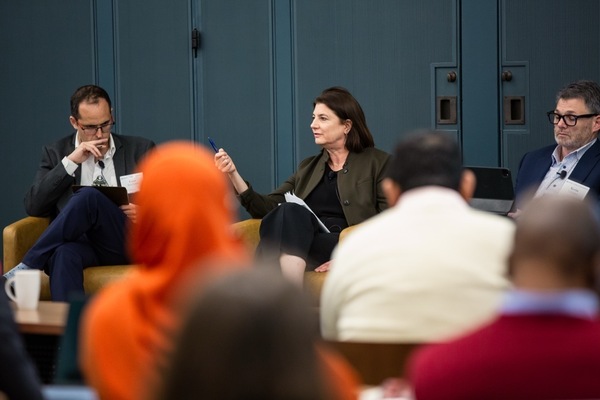
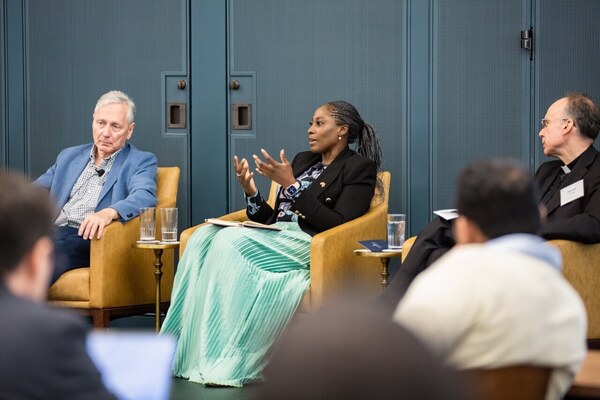
NOTRE DAME, Ind. — As developing nations face an unprecedented economic bottleneck, international policymakers, financial experts, and leading scholars gathered at the University of Notre Dame on May 8–9, 2026, for a high-level colloquium titled "Debt Relief in the Global South." Hosted by the BIG Lab within the Pulte Institute for Global Development, part of the Keough School of Global Affairs, and sponsored by the Gates Foundation, the two-day event focused on dismantling the systemic failures of the current international debt architecture to forge a path toward global financial equity, human dignity, and sustainable growth.
The Weight of Converging Global Challenges
Michael Pries, Notre Dame's Associate Dean for the Social Sciences, opened the event by framing the high stakes of modern sovereign debt. Participants emphasized that a modern "poly-crisis" driven by compounding world shocks—including the lingering effects of the COVID-19 pandemic, escalating trade tariffs, geopolitical wars, soaring interest rates, and severe climate crises —has severely worsened extreme poverty, which currently impacts 700 million individuals worldwide.
Today, a staggering 3.3 billion people reside in countries forced to allocate more national funds to debt servicing than to vital public sectors like healthcare and education. Annual debt servicing consumes approximately 4.4 percent of gross domestic product (GDP) in affected areas. This fiscal strain is further exacerbated by an unsustainable global surge in short-term, high-interest bond-holder debt paired with rigid, highly inefficient domestic tax collection systems. Consequently, net financial flows to the Global South have turned negative, plummeting back to the restrictive levels seen before the last major international debt Jubilee.
Reforming a Fractured Financial Architecture
A central theme of the discussions was the fracturing of the traditional sovereign creditor base. Opening panelists Ana María Ibáñez (Inter-American Development Bank), Kevin Gallagher (Boston University), and Joshua Eisenman (Keough School of Global Affairs) evaluated how geopolitical shifts complicate international debt restructuring. Eisenman outlined China's multifaceted, strategic role as a primary bilateral lender, categorizing its borrowers into three distinct tiers: countries facing profound economic problems (such as Nigeria, where repayments are managed to preserve vital oil partnerships), nations receiving extended short-term debt relief, and critical strategic hubs like Pakistan and Laos. Laos currently owes 20 percent of its debt to China, which has directly taken over ownership of its key railroad infrastructure, while Pakistan owes $15 billion in energy-related debt alone. Eisenman noted that this fragmented multi-polar landscape risks creating a modern "Kindleberger trap" reminiscent of the 1930s, where a lack of singular global leadership leaves the international community unable to enforce systemic stability.
In his keynote addressmReza Baqir, former Governor of the State Bank of Pakistan and current Managing Director at Alvarez & Marsal, delivered a candid critique of structural institutional failures. Baqir highlighted that 54 countries currently sit in debt distress or at high risk , noting that nations like Pakistan spend 15 to 20 percent of their entire budget merely servicing debt. He warned that the international community's response to the post-pandemic crisis has been "too little, too late," taking far longer to coordinate restructuring relief than in previous historical windows.
Critiquing the G20’s "Common Framework" as a deeply flawed mechanism due to inadequate debt relief levels, limited country coverage, and a lack of fair, uniform treatment among private bond-holders, Baqir proposed a radical overhaul. He argued that the Paris Club and official creditors must abandon strict unanimity requirements in favor of majority voting. Drawing a parallel to the World Trade Organization's 1995 transition from consensus-based to majority-rule decision-making, Baqir maintained that majority rules could break institutional gridlock. Furthermore, he advocated for proactive "pre-program monitoring" by international bodies to incentivize domestic policymakers to address structural fiscal flaws before a full-blown sovereign default erupts.
Historical Lessons and Legal Realities
The second day of the colloquium turned to historical and legal precedents. Mark Wright (Federal Reserve Bank of St. Louis) observed that while official government-to-government debt historically dominated the global landscape at roughly 80 percent, the modern market has shifted drastically toward uncoordinated private sector bonds. Anna Gelpern (Georgetown University Law School) emphasized the unique legal gridlock of sovereign debt, noting that while contracts matter, they are notoriously difficult to enforce across borders. Gelpern observed that defaulting on public debt serves as a double-edged sword, functioning as both an asset and a liability that ultimately deprives entire citizenries of baseline public services. Along with World Bank Chief Economist Aart Kraay, the panelists assessed the legacy of the 2000 Highly Indebted Poor Countries (HIPC) initiative, acknowledging the historical challenges macro models face in accurately predicting sovereign debt crises.
A Moral Imperative: Faith, Solidarity, and Agency
The colloquium concluded with a forward-looking panel examining the ethical dimensions of debt relief. Gerald Powers, Director of Catholic Peacebuilding Studies at Notre Dame, reminded attendees of the historical power of faith-based advocacy. Powers recalled the late 1990s and early 2000s Jubilee movement, where the U.S. Conference of Catholic Bishops successfully bridged deep partisan divides, working across the aisle with leaders like Senator Jesse Helms and Condoleezza Rice to pass historic debt relief. In today's deeply polarized geopolitical environment, Powers noted that Pope Francis and now Pope Leo continue to serve as a vital global counter-weight to intense nationalism.
Msgr. Martin Schlag (University of St. Thomas) expanded on the Catholic ethical perspective, highlighting that past debt relief initiatives failed to create lasting macro-economic stability because the underlying global industry continues to require the poor to remain poor. Echoing principles of Catholic social teaching, Schlag asserted that future loans must strictly serve productive, human-centric development rather than foster cycles of financial dependency.
The conversation wrapped up with an emphasizing call for systemic justice from Serah Makka, Africa Executive Director of the ONE Campaign. Pointing to the recent launch of a new "Borrower's Club" in April 2026 designed to help distressed nations share contract information and build collective legal leverage , Makka urged a structural shift toward treating developing nations as equal partners rather than dependents. Noting that Africa faces the highest interest rates in the world, she framed the issue as one of fundamental human rights.
"The antidote to hopelessness is agency," Makka concluded, challenging the international community to transform academic insights into immediate policy reforms. "Knowledge is power only when it is applied."
]]>
Michele Daviestag:biglab.nd.edu,2005:News/1804872026-04-01T11:45:00-04:002026-08-19T12:09:44-04:00BIG Lab in Action - Research & Mentorship
How far forward are the impacts of free primary education felt? A research project at the Building Inclusive Growth (BIG) Lab examines if free primary schooling policies can be used to understand whether women who get more access to schooling actually change what they do in the labor market later on in adulthood. To support this work, the BIG Lab provides pre-doctoral students with hands-on experience in data collection, analysis, and dissemination. From 2021 onward, Professor Taryn Dinkelman investigated this question in a project that would grow into a 2-year collaboration with pre-doctoral research assistant Anh Hoang.
“We started with seven and we then expanded to all 54 countries in Africa” said Prof. Dinkelman, a development economist at the University of Notre Dame and an associated faculty member with the BIG Lab. “In the process, we put together this dataset of 54 countries about when they introduced free primary schooling and in some cases, when they actually reversed that free primary schooling.” Research Assistant, and now Notre Dame Economics PhD student, Anh Hoang was introduced to the project in 2023 as part of her work at the BIG Lab as a research assistant. Initially working on building up the dataset, the replication package, literature reviews, and supervising undergraduate research assistants also working on the project, Hoang was able to develop technical skills in economics under Dinkelman’s mentorship.
While access to education has clear impacts, this project has been able to document using original information from policy documents, such as constitutions or educational reports from different countries comprehensively across the continent when free primary education (FPE) came in, and in some cases waves, where FPE policies were reversed and came in again later.
As the project has evolved, so much data from so many countries was collected that Prof. Dinkelman has expanded to understand some of the reasons why policies around FPE have changed, as well as looking at the connection between further education and attitudes toward democracy across African countries, “I think a core part of all of these projects is trying to learn something general. We're finding some things that are very similar in a lot of countries, but at the same time recognizing that each of these countries is very different, has a very different history, very different context, and so that's why, in some cases, the labor market outcomes that we're finding actually respond differently to education in different countries.”
“Her confidence grew a lot over the time that we worked together. Initially, I think she would just implement what I was asking her to do and then as time went on, she was able to start asking questions and give suggestions and push back on things that maybe didn't make sense to her, so that the end product was better.” -Dinkelman
Today, Hoang is finishing her first year of her PhD. “That's why I joined BIG lab in the first place. I wanted to learn about whether I would fit in a PhD program at first. So having the opportunity to work closely with very high professional researchers like Taryn, and to interact with current PhD students at the department, I realized that I like doing research. I feel like I could do it, and so I was motivated to join the PhD program.” Working on this project with Prof. Dinkelman has made Hoang reconsider her thesis scope, expressing an interest in pursuing a thesis that examines the big picture implications of policy.
As the project continues to evolve and additional research questions arise, Dinkelman speaks about her work with the BIG Lab, stating, “I think that my experience with Anh is also part of what we're trying to do here, it speaks to the training, but also about the mentoring and nurturing of young scholars”. This research exemplifies the BIG Lab’s commitment to fostering collaboration among faculty, graduate students, and undergraduates to generate impactful solutions that address the root causes of global poverty.
]]>
Margaret Pebworthtag:biglab.nd.edu,2005:News/1795152026-03-31T12:10:00-04:002026-03-31T12:10:40-04:00BIG Faculty Spotlight: Rebecca Thornton on Literacy, Local Partnership, and Mother-Tongue Education Policy
Rebecca Thornton is a Professor in the Department of Economicsics and affiliate faculty at the Building Inclusive Growth (BIG) Lab.
How did you get interested in development economics and research?
Rebecca Thornton: I was a German major in college and lived in Nepal right after graduating. During graduate school, I lived in Kenya and Malawi. These experiences fostered a deep love of learning local languages and immersing myself in new cultures and perspectives. Living in rural communities and learning directly from people there shaped my commitment to use research and data to amplify voices and help make a meaningful difference.
I was drawn to development economics out of a desire to use empirical research to provide rigorous evidence to policymakers and ultimately improve people’s well-being. Early in my career, I focused on low-income countries, where decisions around health, education, and family life have enormous impacts on individuals and communities. My research aims to inform both academic debates and real-world policy, with the greatest potential to impact governments, NGOs, and community organizations designing interventions that shape opportunities in resource-constrained settings.
Over time, my interests have broadened to include the deeper dimensions of human flourishing. I want to understand what truly contributes to purpose, fulfillment, and life satisfaction—and why financial resources and opportunities alone are not always enough. In this work, I am also committed to giving voice to a broader set of individuals who may not be traditionally viewed as vulnerable, but who nevertheless face barriers to well-being. This has led me to new questions that extend the economic lens: How do forgiveness, human suffering, and our own perspectives and beliefs shape choices and constrain welfare? Can we develop models that better capture these non-material drivers of well-being and, in turn, inform policies and practices that more effectively support human flourishing?
Sometimes research agendas are shaped by deliberate choice; at other times, they emerge from opportunity. While presenting at a workshop in Ghana, a participant approached me to describe what she believed to be a particularly promising learning intervention. Although I was initially skeptical, I agreed to collaborate in studying it.
Our subsequent work suggests that the intervention has produced unusually large and persistent effects relative to those typically found in the literature. Much of the success of the project, I believe, is that it was designed and developed by Ugandan practitioners in northern Uganda. This initial project has formed the basis for long-term collaboration and a number of research papers.
How was it working on your research on early grade reading project and some of the challenges of running a longitudinal experiment within the project?
One challenge is that we began the project when children were in first grade. We tried to collect standardized measurements of reading among these first graders, and we did that badly. Many of the children had never used pencil before, and did not have experience with written text. When we tested the children at the beginning of first grade, 85-90% could recognize zero letters. We should have collected data on more basic pre-school level skills. We are now trying to track these same children over time. This is a setting where cell phones ownership is still limited, a post-Civil War area with a lot of mobility, and it's a really rural agricultural area, so that it is a challenge to find people. COVID also was a challenge. Uganda was closed for 2 whole years, and this has impacted how we track children and how we interpret our results.
More broadly, how do you see your work affecting people's lives or policy?
For this Uganda study, one of the main findings is that our results on improving children’s reading skills are quite large, about ten times the average effect size typically observed in other randomized studies. The intervention achieved this simply by supporting regular classroom teachers. There wasn’t an increase in pay, punitive measures, or changes in monitoring. Instead, the program focused on providing teachers with the tools and support they needed to be effective. With additional support, teachers were able to generate substantial improvements in early literacy, and these effects have persisted for approximately eight years. We are continuing to follow the cohort of students to understand longer term impacts of learning how to read.
I think our results have important implications for how we think about education policy: rather than focusing on punitive approaches such as monitoring or dismissal, investing in teacher support can yield meaningful and lasting gains, even without increasing compensation.
A second important aspect of this study is that the intervention was delivered in students’ mother tongue. Children received instruction in their home language and then transitioned to English in the fourth grade. Although the intervention itself was entirely in the mother tongue, we find that the benefits extend to English literacy as well. This speaks directly to ongoing debates about whether children should first learn to read in English or in their home language. Our results suggest that strengthening literacy in the mother tongue does not crowd out English acquisition; in fact, it appears to support it. This is an additional finding that could inform, or at least lend support to, mother-tongue-first language policies.
What is one of the most memorable episodes from your research in the field that has shaped your perspective on your work?
I think my perspective on research ethics has been shaped by experiences early in my career, when I underestimated the impact that researchers can have simply through the process of data collection. Two studies in particular made me realize that we don’t always fully internalize how our presence and our methods can affect people’s lives.
In one study on adult male circumcision, we interviewed men about their beliefs related to HIV prevention and collected information about their partners. A year later, after receiving additional funding, we returned to interview those partners, whose names we had recorded during the initial survey. All of this had received ethical approval, and we were transparent about our plans. However, over the course of the year, some partnerships had changed. In some cases, individuals were now married to someone else. When our team approached women and asked for them by name—for example, “Are you Mary?”—we inadvertently revealed information about past relationships, including infidelity. No one had fully anticipated that simply referencing a name from a prior survey could create tension or conflict within a household.
In another study, we offered financial incentives, up to roughly three months’ wages, for individuals who remained HIV negative over the course of a year. We collected detailed behavioral data to assess whether the incentive changed sexual behavior. We found no evidence of behavioral change during the intervention period. However, when we followed up one week after distributing the reward, we found that the male recipients in our study had engaged in significantly more unsafe sex. In this case, the research intervention itself appears to have had unintended negative consequences.
Together, these experiences underscored that researchers are not always neutral actors in the environments they study.
My early work in learning local languages and field-testing survey instruments has given me a strong appreciation for how question wording influences responses. I now incorporate this into my teaching, emphasizing how survey design can shape reported behavior.
What research, be it new areas or new projects, are you looking forward to? Any new projects in the plans?
My work in Uganda increased my interest in mother-tongue instruction. The project in Uganda demonstrated the powerful impact of learning mother-tongue reading first. I hypothesized that exposure to mother-tongue text could have lasting positive impacts on literacy. To test this, I worked with co-authors to document how exposure to mother-tongue translations to the Bible may have affected educational attainment and literacy. In many cases, an early Bible translation represented the first time a language had been systematically transcribed into text. We compiled data on the timing of first Bible translations into African languages and linked this information with adult literacy outcomes, comparing those who would have been exposed to in primary school years to the mother-tongue Bible translation with those who were too old to benefit from the translation. We find large effects of the translations on associated with higher levels of adult literacy and educational attainment.
So far, we are finding substantial effects that are similar across men and women, as well as across Muslims and Christians, suggesting that Bible translations may have had long-term impacts on literacy that extend beyond religious affiliation. Our next step is to extend this analysis to other parts of the world to examine whether similar patterns emerge in other contexts.
This interview has been edited for length and clarity. It was conducted as part of a series of faculty profiles on BIG Lab Affiliated Faculty coming out this spring. Stay up to date with the BIG Lab by following us on Twitter, LinkedIn, or Bluesky.
]]>
Margaret Pebworthtag:biglab.nd.edu,2005:News/1801062026-03-18T16:42:00-04:002026-03-18T16:42:44-04:00BIG Lab to Host Colloquium on Debt Relief in May
The BIG Lab in the Pulte Institute for Global Development at the University of Notre Dame's Keough School is hosting a colloquium on Debt Relief in the Global South this coming May. The event, which will cover two days, will run from May 8th to 9th in South Bend, Indiana. It will feature a keynote speach from Reza Baqir, a Former Governor of the State Bank of Pakistan and former IMF official, and now Managing Director of Sovereign Advisory Services at Alvarez & Marsal. Registration in advance is required. Additional speakers and registration can be found here. ]]>
Margaret Pebworthtag:biglab.nd.edu,2005:News/1800672026-03-17T16:38:00-04:002026-03-17T16:38:54-04:00Virtual women’s police station boosts gender-based violence reporting in Pakistan, BIG Lab analysis findsA virtual women's police station in Pakistan's Punjab province has increased reporting of gender-based violence.
Some 28 percent of women in Pakistan aged 15 to 49 have experienced physical violence, yet 55 percent of these victims never seek help, according to the United Nations Population Fund. This lack of reporting is driven by social-cultural barriers, economic dependency and limited access to information, healthcare and psychosocial support.
But a new virtual women’s police station in the country’s Punjab region is showing encouraging early results in the form of a notable uptick in digitally submitted gender-based violence reports, according to a new analysis by Notre Dame political scientist Saad Gulzar. By providing data-driven evidence, Gulzar’s analysis enables authorities to refine their standard operating procedures, subsequently reducing reporting costs and preventing future violence.
The analysis finds that since the Punjab Safe Cities Authority opened its women’s virtual police station in 2024, there has been an increase of about 23 additional domestic violence reports per month for each field office through the new virtual police station’s helpline, with only a slight decline in the number of physical walk-in reports.
“This trend shows that the digital interface is successfully reaching women who may not have sought help from the state without the virtual police station,” said Gulzar, associate professor of political science and global affairs in the Keough School of Global Affairs and the College of Arts and Letters. “The increased rate of reporting is itself a big finding — it’s an outcome that is very hard to move.”
Women can initiate the reporting process through multiple platforms, including an emergency hotline, an app that features live chat and video calls, and the organization’s web portal.
"Before the virtual station, there was a vacuum in how we addressed crimes against women,” said Muhammad Ahsan Younas, managing director of the Punjab Safe Cities Authority. “Some people initially thought this platform was just a gimmick, but the reality is that the psychological and societal barriers to walking into a physical police station are immense. By providing a digital interface, we have removed that friction.”
The virtual model emerged after Chief Minister Maryam Nawaz, Punjab’s first elected female head of provincial government, directed that women police stations be established in every district of the Punjab. In response, a proposal of a virtual platform was presented to enable women across Punjab, regardless of location, to access justice services without the constraints of physical infrastructure.
“Sustained follow-up by the chief minister and policy support have played a critical role in strengthening the station’s performance and accountability mechanisms,” Younas said.
Punjab is Pakistan's most populous province.
The virtual police station is now seeing a sizable increase in reporting — averaging 2,200 calls daily — because it provides a safe, anonymous and convenient way for women to reach out for help from the privacy of their own homes, Younas said.
While the Punjab region is geographically the size of Nebraska, its population of 128 million people is larger than the three most populous U.S. states – California, Texas and Florida – combined.
“Such a large population presents a massive challenge where traditional police stations have often struggled to deliver results for women,” Younas said. “We realized that while we already had the technology and expertise in place, there was a vacuum in our services. This region was the ideal place to prove that a virtual platform could bridge that gap, connecting women across a vast geography with immediate support.”
From reporting to formal legal action
A critical measure of the program’s success is whether violence reports lead to formal police action, Gulzar and Younas said. Gulzar’s analysis showed a measurable increase in the number of gender-based violence cases progressing to a “first information report” — documentation prepared by police organizations that serves as an essential first step in a criminal investigation.
“The virtual women’s police station is not just a call center but also a gateway to the formal justice system,” Younas said. “We are able to track cases from the initial report all the way through the legal process, ensuring that field offices are held accountable and that every complaint is treated with the seriousness it deserves.”
Gulzar is currently analyzing more outcomes from the virtual police station for a working paper that will be released at a later date, but he said that the research also is aimed toward a broader goal of rethinking the role of government in society.
“This work is about more than just procedural improvements; it's about shifting the orientation of government agencies to center on the citizens they serve,” he said. “By reducing barriers to access for vulnerable populations and making the citizen the most important link in the chain, we hope to show how technology and feedback loops enable the public sector to perform better and build greater trust.”
Originally published by Renée LaReau at keough.nd.edu on February 20, 2026.
]]>
Renée LaReautag:biglab.nd.edu,2005:News/1784082026-01-21T10:23:00-05:002026-01-21T10:23:48-05:00BIG Faculty Spotlight: Brenda Samaniego de la Parra on Development Economics, Informality, and Data-Driven Policy in Low-Income Contexts
Brenda Samaniego de la Parra is assistant professor of development economics in the Keough School of Global Affairs and affiliate faculty at the BIG Lab and the Pulte Institute for Global Development.
How did you get interested in development economics and research?
Brenda Samaniego de la Parra: A combination of things drew me towards research in general and towards studying development specifically. An important experience that strengthened my interest in a PhD and in research was my time working at Mexico’s National Banking and Securities Commission. One of the big questions the Commission was working on at the time was “How can we improve access to basic financial services?”. I was working with a lot of people who had PhDs and trying to answer these questions, and it got to a point where I could read the academic papers about it, but I couldn't necessarily replicate them, let alone generate novel analysis. But I felt like some of the models that the existing papers used weren’t directly applicable to countries like Mexico. I needed this research toolkit to answer those questions.
Then when I started my PhD program at the University of Chicago, I was exposed to research on labor market frictions, and to people thinking about how firms and workers meet and how that impacts unemployment and growth. This then became a big source of interest for me because of the large and persistent presence of informality in labor markets in Latin America.
So there's a couple of reasons why Zambia became the focus of a series of papers. The paper on entrepreneurial ability is one of them, but now I have been working in Zambia for the past 5 years, creating a detailed account of how the retail sector operates in a developing country, the challenges shops face, and how various policies can help stem growth. Going back to your question on “why Zambia:” I would argue that in this quest to study “How can we improve the lives of people?” it's important to focus really on places that have the biggest challenges, and Sub-Saharan Africa is one of those places.
And the second reason, which, might initially seem to contradict this point, is that actually some of the challenges, or features, that got me interested in Zambia actually exist in most of the middle-income and developed world.
In fact, my initial interest in the idea of “Why do we observe huge and persistent differences in the performance of shop,” even within narrowly defined industries and after controlling for various relevant factors initially came to me from looking at Mexico. The project got implemented in Zambia, but the findings are quite generalizable, I would argue.
You mentioned the lack of retail data in developing countries, how was it working on this project and some of the challenges of collecting data within the project/research?
This was one of the first projects where I collected my own data. Before then, I would rely on very large data sets, but often from administrative services or other pre-existing surveys. That's a big difference between working in a middle income, or even middle-low income, country, versus working in very low-income areas, or countries that are classified as low development. There's just no data. The government doesn't consistently collect it. It's expensive, it's hard to collect, so then governments aren't doing as much as other places to keep track of all this data.
One of the biggest challenges was that we didn't have a census of the shops. Oftentimes, when you're collecting your own data, you say, “Well, the country has some list, a census, of all the shops that exist, and then we're going to sample from this set, and go and survey them and ask them questions”. Even when such a census exists, it is still a big challenge, because as researchers we need to go and build trust with the shops. We had to first go and figure out where are the shops? How many are there? What is their lifespan?
For this project, we were very ambitious in terms of the data collection, so we did the census, we had a baseline survey that was very detailed, and then after that, we did a high-frequency phone survey where we called shops every day of a week, once a month, for 8 months. It was definitely a learning process but I think we ended up with a very high-quality survey with very low attrition, with people participating at very high rates, and for a long period of time, which is also rare.
On your projects, your work with multiple partners. What in your experience has helped in forming effective working partnerships across stakeholders like governments, local implementing partners, or other organizations?
I think establishing strong feedback channels is important. Presenting the idea in a non-extractive arrangement, where you're like “this is what I'm after, this is what I need. But here's how I see the project benefiting the respondents, benefiting your institution, this is why I think this is important.”
As researchers, we might have a pre-established idea of what the benefits of the project are. But we need to be flexible and open to feedback. The various stakeholders (respondents, government and community organizations, universities, etc.) are a source of valuable information and you can learn a lot about your own project by sharing your goals with them.
For example, after talking to some of the firms in Zambia, they suggested we get the support of “market leaders.” These are individuals who are part of the community who are respected, that are able to walk around and tell other shops, “Listen, you can trust these guys, they're not scammers, they're not here to steal your data, etc.”i.e. someone from the community that can “vouch for you.”
Showing the institutions, the government, the respondents, that you're actually interested in what they have to say and not just have a very fixed idea, potentially built from an outsider perspective, from the outset. Repeated interactions help a lot as well.
What is one of the most memorable episodes from your research in the field that has shaped your perspective on your work?
In general, a newfound respect for people that do their own data work. There's always unexpected events no matter how prepared we feel, no matter how many pilots we do beforehand, and how familiar we are with this sample now. There's always something that we just didn't expect.
More broadly, how do you see your work affecting people’s lives and policy?
This is how I came into academia. In search of better policies, better outcomes, so I try to have a policy connection in all of my work, to think “What is the policy intervention?” Not just what policies can we implement to improve things, but maybe what policies can we remove? I think one of the main ways in which my research can influence policy is by identifying the things that policy is getting wrong, and measuring the impact of those policies and potentially removing them, correcting, or giving some insights on how firms and workers operate that is different from how they work in a developed context.
What research, be it new areas or new projects are you looking forward to? Any new projects in the plans?
Academia feels like this battle between the existing projects that are close to wrapping up, and the new ones that are, just by virtue of being new, more exciting.
In a new project that I am currently working on the goal is to understand how information frictions impact formal employment. Many of the benefits that you get from having a formal job, you get in the future, whereas the cost you pay today. For example, you're paying taxes today, and then, 20 years from now, conditional on meeting a bunch of other requirements, you'll get a pension. Even if, you know, accounting-wise, the value is there, like it is worth it to be paying those costs so that at the end of your work life you have a pension, it's sometimes hard to make that calculation. It can either be that people have a hard time calculating it, or that they just don't know what the requirements are. I'm trying to understand whether these sort of information frictions or behavioral frictions of overly discounting the future are behind the high rates of informality that we observe across the developing world. And I'm excited about it!
This interview has been edited for length and clarity. It was conducted as part of a series of faculty profiles on BIG Lab Affiliated Faculty coming out this spring. Stay up to date with the BIG Lab by following us on Twitter, LinkedIn, or Bluesky.
]]>
Margaret Pebworthtag:biglab.nd.edu,2005:News/1785282026-01-20T15:11:00-05:002026-01-20T15:11:28-05:00On the market: BIG Lab's Ge Sun
Ge Sun is a BIG Lab doctoral student affiliate on the job market this year. With research interests in labor and macroeconomics, Ge’s paper Expected Fertility, Labor Market Contracts, and the Gender Wage Gap focuses on labor market contracts and the gender wage gap. Using China’s 2013 selective relaxation of the One-Child Policy as a natural experiment, she carried out a difference-in-differences design to examine the impact that expected future fertility had on labor contract wages. Given that the reform created no change in actual short term births, she was able to compare how expectations shaped employers perceptions of female productivity and the resulting penalty. She found that women’s wages declined 15% after the change.
Ge integrated a household time-allocation model with a wage-posting search model, tying household childcare labor with effort and human capital growth and allowing wages to be driven by expectations of future effort, which explained 80% of the post-reform gender wage gap expansion. Her work underscores the shortcomings of “Position-preserving” policies, which lengthen job tenure and strengthen employers’ incentives to price wages based on expected future productivity, which can be offset by employers by preemptive wage markdowns applied to all women. More information about Ge and her job market paper can be found on her website.
]]>
Margaret Pebworthtag:biglab.nd.edu,2005:News/1750102025-09-16T11:59:00-04:002025-09-16T11:59:18-04:00BIG Lab Director Lakshmi Iyer recognized as member of All-Faculty Team
At every Notre Dame home football game, the Office of the Provost honors a distinguished member of the faculty as part of the All-Faculty Team. As the Fighting Irish played Texas A&M University on Saturday, Sept. 13, Lakshmi Iyer was recognized.
Trained as an economist, Iyer’s research explores the intersection of history, politics, and economics, with a strong focus on Asia. Her recent projects have explored whether post-colonial policies can change the long-run effects of historical institutions, when decentralization can improve education and health outcomes, and whether providing formal land rights can improve women’s economic participation. Her new lines of research examine the interplay between governance, global health, and natural resource management.
At Notre Dame, Lakshmi is the academic director of the Building Inclusive Growth (BIG) Lab, which develops innovative, long-lasting solutions to help vulnerable populations in developing countries. Iyer’s work aligns with Notre Dame’s Poverty Initiative, a University-wide effort to create a world intolerant of poverty by expanding knowledge about how to solve it.
“Growing up in India during a period of economic liberalization, I saw how government policies can shape the economic and human development trajectory of a country," she said. "I was inspired to investigate why and how countries can make progress against poverty, and to identify historical, political, or social barriers to such progress. More than 800 million people still live in extreme poverty around the world. Poverty is not just an economic issue; it is a moral, political and social issue. I am privileged to be working with scholars across several disciplines at Notre Dame and beyond, to investigate how a diverse range of factors contribute to poverty, including history, political institutions, and the inclusion of women.”
Originally published by College of Arts and Letters at al.nd.edu on September 16, 2025.
]]>
College of Arts and Letterstag:biglab.nd.edu,2005:News/1735352025-06-24T14:51:00-04:002025-06-24T14:51:50-04:00Formalising work, redistributing power: Lessons from Mexico’s outsourcing ban
A recent study co-authored by BIG Lab affiliates Alejandro Estefan, Assistant Professor of Development Economics at the Keough School of Global Affairs, University of Notre Dame, and Joseph Kaboski, David F. and Erin M. Seng Foundation Professor of Economics, University of Notre Dame, sheds light on the significant effects of Mexico's 2021 labor reform. This landmark legislation effectively banned the outsourcing of core workers, compelling businesses to bring these employees directly onto their payrolls. The research by Estefan, Kaboski, and their co-authors reveals a dramatic collapse in outsourcing rates post-reform, coupled with notable increases in worker wages, particularly for those at the lower end of the pay scale. Importantly, the study found that firms largely complied with mandates for social security contributions, benefits, and profit-sharing, without detrimental impacts on overall employment levels or economic output.
The findings from Estefan and Kaboski's work suggest that the reform successfully redistributed bargaining power in the labor market, empowering workers, especially in sectors where firms previously held significant monopsony power. While the study did observe minor drawbacks, such as a slight dip in capital investment and a marginal increase in exits among smaller businesses, the overarching conclusion points to a positive outcome. Their research provides compelling evidence that thoughtfully designed labor market regulations can indeed enhance worker welfare and improve employment conditions without stifling economic activity, offering valuable lessons for other nations considering similar reforms.
]]>
Michele Daviestag:biglab.nd.edu,2005:News/1714812025-04-08T10:12:00-04:002025-06-24T14:54:43-04:00Electrifying insights: Understanding electricity adoption in rural South Africa
A recent study by Taryn Dinkelman, an Associate Professor in the Economics Department and a Building Inclusive Growth (BIG) Lab affiliate, sheds light on the gradual adoption of electricity in rural South Africa. The research, leveraging data from the Agincourt Health and Demographic Surveillance System (HDSS), examines the timeframe and challenges faced by households in integrating electric appliances into their lives following electrification. Dinkelman's work highlights that while South Africa has made significant strides in expanding access to electricity, the effective utilization of its benefits is a slower process. The study uncovers that factors such as income stability and access to credit play crucial roles in determining the pace at which households adopt and utilize electric appliances.
Dinkelman's findings carry important implications for policy and development strategies, particularly in low- and middle-income countries. The research emphasizes the need for long-term perspectives when evaluating the impact of electrification projects, as the economic transformation unfolds gradually. Furthermore, the study suggests that interventions aimed at accelerating appliance adoption, such as improving access to credit and financial services, can enhance the economic benefits of electrification. As part of the BIG Lab's broader mission to address structural barriers to equitable economic growth, this research contributes valuable insights into factors impacting technology adoption in underserved communities.
]]>
Michele Daviestag:biglab.nd.edu,2005:News/1712122025-03-31T11:33:00-04:002025-03-31T11:33:50-04:00‘Who the messenger is matters’: Lakshmi Iyer shows that cultural leaders can positively influence population growth
Fertility rates across the world have been steadily dropping since 1950. Pinpointing the reasons — despite the lack of typical causal conditions such as famine or war — is at the heart of one researcher’s work at the University of Notre Dame.
Lakshmi Iyer, a professor in the Department of Economics, found that there was more to fertility rates than a simple economic or circumstantial explanation. According to her research, people are having fewer children due to cultural factors, with social norms playing a larger role than previously thought.
Popular opinions regarding marriage, contraception and abortion directly impact fertility rates and therefore the demography of a region. This can be particularly true in regions that are predominantly Catholic and where the Church’s teachings have a stronger influence on an individual’s fertility decisions.
Iyer and her research team examined the impact of visits by Pope John Paul II throughout Latin America between 1979 and 1996. They found that in countries where he gave public speeches that reinforced Catholic social teaching, fertility rates were higher in the long term. Using Demographic and Health Survey (DHS) data on 13 Latin American countries across 16 papal visits, the researchers found that although the pope’s speeches were not intentionally aimed at influencing fertility, his messaging heightened existing Catholic social norms that promote getting married and having families, causing a statistically significant increase in birth rates within those countries.
The findings, which were reported in the working paper “Religion and Demography: Papal Influences on Fertility,” indicated that in the two to five years following the papal visits, an additional 220,000 to 251,000 births occurred in the 13 countries analyzed in the study. Where the pope mentioned marriage or abortion and contraception in his public speech, birth rates jumped the greatest. Where he condemned premarital sex in his homilies, birth rates decreased. Where he spoke about the value of marriage, both marriage and fertility rates increased.
The researchers said the effects of the pope’s messages were felt most strongly by individuals who were not necessarily following the Church’s teachings on these topics; in this case, those in non-Catholic, wealthy and highly educated households.
“These results indicate that people are really listening to what the pope has to say,” Iyer said. “And the topics he addresses really matter.”
Lakshmi Iyer, a professor in the Department of Economics at the University of Notre Dame. (Photo by Peter Ringenberg/University of Notre Dame)
Iyer added that not only were the messages important in changing how the audiences viewed their relationship with marriage and family, but so was the fact that it was the pope himself delivering those messages.
“Who the messenger is matters,” Iyer said. “It needs to be someone who can reinforce what is important to the culture. You can change social norms by having a predominant leader remind people of what is considered good and acceptable behavior within that particular society.”
For Latin America at the time of Pope John Paul’s visits, these messages were crucial to help slow down the dramatic decline in birth rates, which went from an average of 5.9 births per woman in 1960 to 2.2 in 2010. For other countries experiencing similar below-replacement fertility rates, Iyer said this type of messaging can help induce people to want to have more children.
And those messages don’t have to be tied to a specific religion or to religious beliefs, Iyer added, but they do need to be relevant to the culture they are addressing and to the existing social norms — and having them delivered by a respected leader only adds to their saliency.
“Cultural ambassadors matter, but only in certain contexts,” Iyer explained. “They are the ones who can speak for those norms, reinforce them or make them more important to people.”
This study exemplifies the kind of population-level research that Notre Dame Population Analytics (ND Pop), a new research initiative at the University, seeks to foster. Many of the issues facing society are demographic — poverty, the aging population and declining fertility, disparities in educational outcomes, family instability and the decline in life expectancy brought about by the drug crises. ND Pop is leveraging the tools of data science to foster impactful research that can inform policy and practice. Iyer’s paper and other recent population study findings are available through ND Pop’s working paper series.
“Who the messenger is matters. It needs to be someone who can reinforce what is important to the culture.”
“Demography is really important to think about in terms of long-term economic or social change,” Iyer said. Aside from policies that promise monetary incentives or better access to child care for families, Iyer and her co-authors believe that a cultural component could also be considered. They acknowledge, however, that further research should be conducted to analyze the effects of other changes in social norms such as increased secularization or changing religious denominations in a country, as well as contrasting these with the effects of government policies and economic incentives.
Iyer conducted her research alongside co-authors Paloma Lopez de mesa Moyano of Emory University and Vivek Moorthy, who received his doctorate from Notre Dame in 2022 and is now at the College of the Holy Cross.
The DHS surveys are nationally representative household surveys conducted in more than 90 countries since the mid-1980s. They collect detailed information from women of child-bearing age about their fertility histories, including a retrospective questionnaire on the month and year of all births. These fertility histories enabled the researchers to construct fertility time series for each woman using a consistent survey methodology and questionnaire across countries.
Contact: Tracy DeStazio, associate director of media relations, 574-631-9958 or tdestazi@nd.edu
Originally published by Tracy DeStazio at news.nd.edu on March 31, 2025.
]]>
Tracy DeStaziotag:biglab.nd.edu,2005:News/1704662025-03-04T12:20:00-05:002025-03-04T12:22:48-05:00Fighting poverty while preserving forests: new research from Lakshmi Iyer aims to balance economic gains and environmental conservation
Initiatives aimed at fighting poverty in low-income countries have achieved significant progress, cutting extreme poverty globally by more than 65 percent since 1990, according to the World Bank. Yet amid their economic benefits, many poverty reduction programs also cause environmental damage, leading to deforestation and air and water pollution. These adverse effects, which exacerbate existing economic inequalities, are felt most acutely by populations living in and near forests.
Recognizing that economic and environmental well-being are connected, an interdisciplinary team of Notre Dame researchers is studying the effectiveness of poverty reduction programs in rural areas in the Global South and identifying interventions that can alleviate poverty while conserving the environment. Countries in the Global South are home to 90 percent of the 600 million people who live in extreme poverty, subsisting on less than $2.15 per day.
“There’s a real need for evidence that shows the relationship between economic and environmental impacts,” said Daniel C. Miller, an environmental policy expert and the Coyle Mission Collegiate Associate Professor in the Keough School of Global Affairs. “An increasingly degraded natural environment makes it more difficult to sustain human well-being and increases the risk of people falling deeper into poverty.”
The project is funded by Notre Dame’s Poverty Initiative, a University-wide effort to create a world intolerant of poverty by expanding knowledge about how to solve it. Joining Miller as primary investigators are geographer Ellis Adams, political scientist Krister Andersson and economist Lakshmi Iyer. All four researchers are core affiliate faculty members of the Pulte Institute for Global Development, part of Notre Dame’s Keough School of Global Affairs.
“The interdisciplinary expertise of this group enables us to study these issues in a holistic manner, using both quantitative and qualitative methods and a variety of data sources,” Iyer said. “While my expertise is in poverty alleviation and quantitative methods, my colleagues are experts on forest conservation, survey design, remote sensing data, systematic literature reviews and qualitative analysis. Collaborating with them has been a great learning experience so far.”
Drawing on their diverse geographical expertise and field experience, the researchers will focus on tropical forest regions in three countries: India, Ghana and Peru. Working closely with local communities, businesses, governments and research partner organizations, they will conduct randomized controlled trials of interventions designed to reduce poverty while conserving natural resources. Possible interventions may include support for community-based forestry businesses, entrepreneurship training, incentive payments for ecosystem services such as carbon sequestration and new community-based monitoring and enforcement tools.
“To be successful and sustainable over the long term, policy interventions need to be supported by the local community,” Iyer said. “Community involvement in the design and implementation of any project is the best way to ensure local support.”
Villagers in Ghana are harvesting trees planted in sustainable woodlots for fuel - this practice will alleviate the pressure of removing trees from natural forests. (Flickr Creative Commons)
The researchers, who will begin fieldwork this summer, plan to translate their research into recommendations for policymakers. All four scholars have policy experience with organizations including the Food and Agriculture Organization, the World Bank and the government of India.
The project will include an advisory board of key stakeholders, including representatives from community, government and donor organizations such as the World Bank, who will help guide the project, and a multi-disciplinary cohort of graduate students and postdoctoral scholars who are central to the research.
“The collaborative nature of this project is critical for its success,” Miller said. “This diverse team will help ensure that new knowledge gained about the complex relationship between poverty and forests leads to lasting poverty alleviation and environmental protection.”
Originally published by Renée LaReau at keough.nd.edu on March 03, 2025.